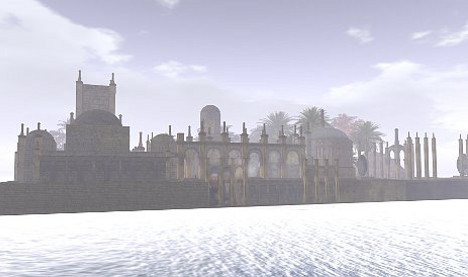
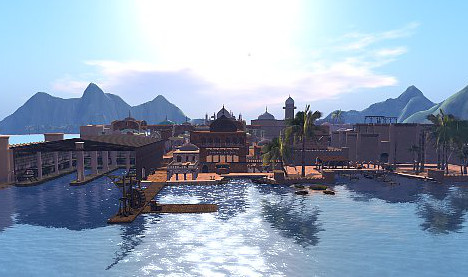

Voyage of Aquisition Nr.27 – Abduction from Peru part 4
October 15, 2026Yuroki
Photo contest “Peru”. – contribution from Ahyoka (ahyokatayanita)
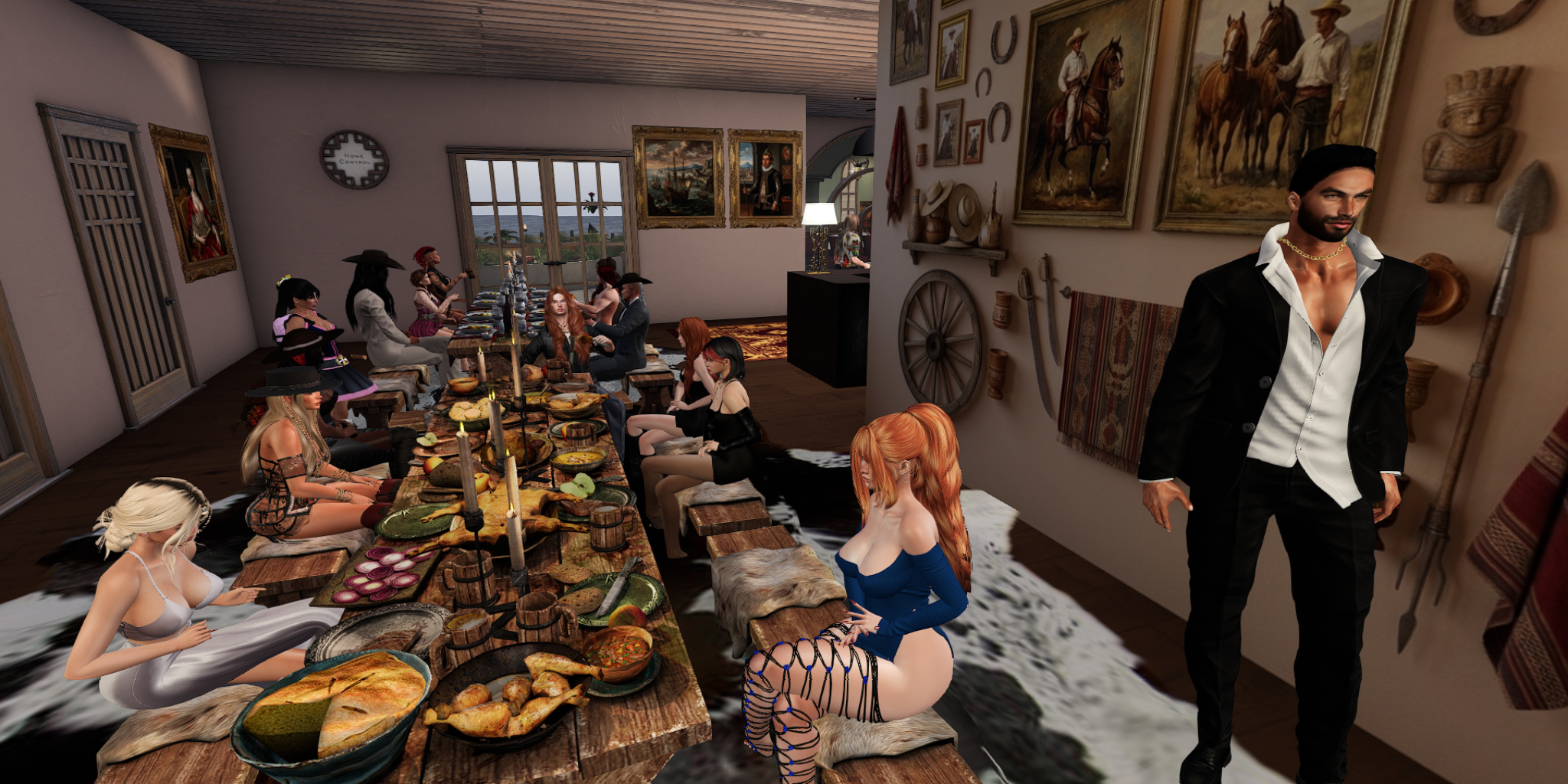
First meal in Peru!
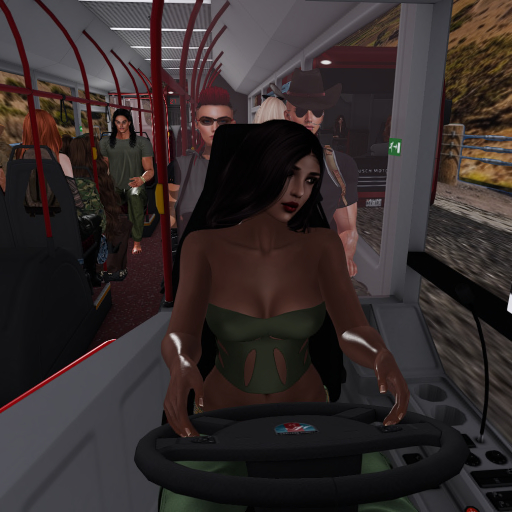
One of the peru bus rides…
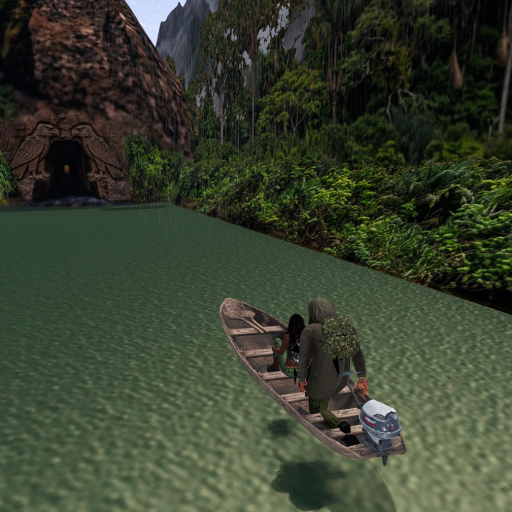
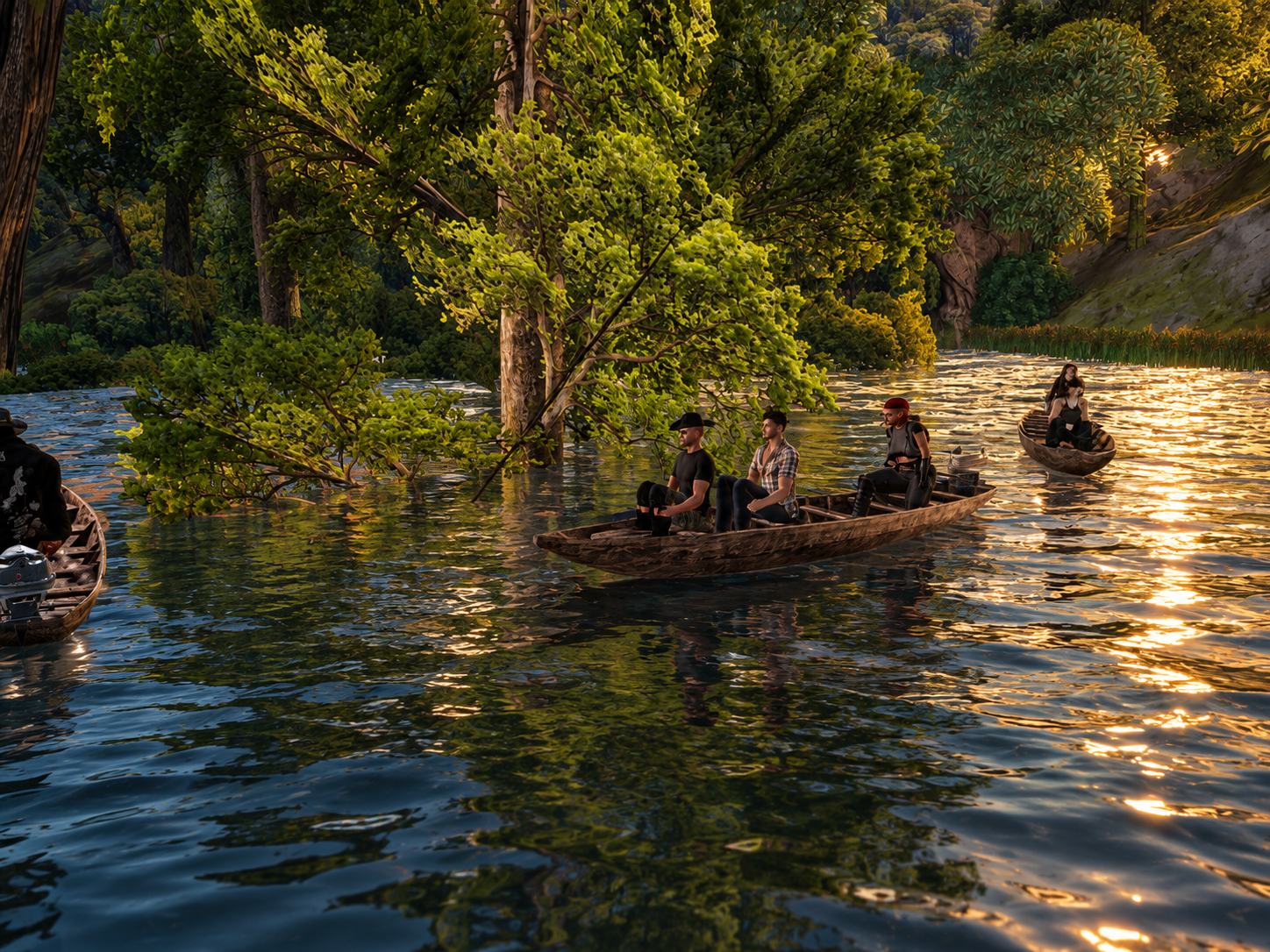
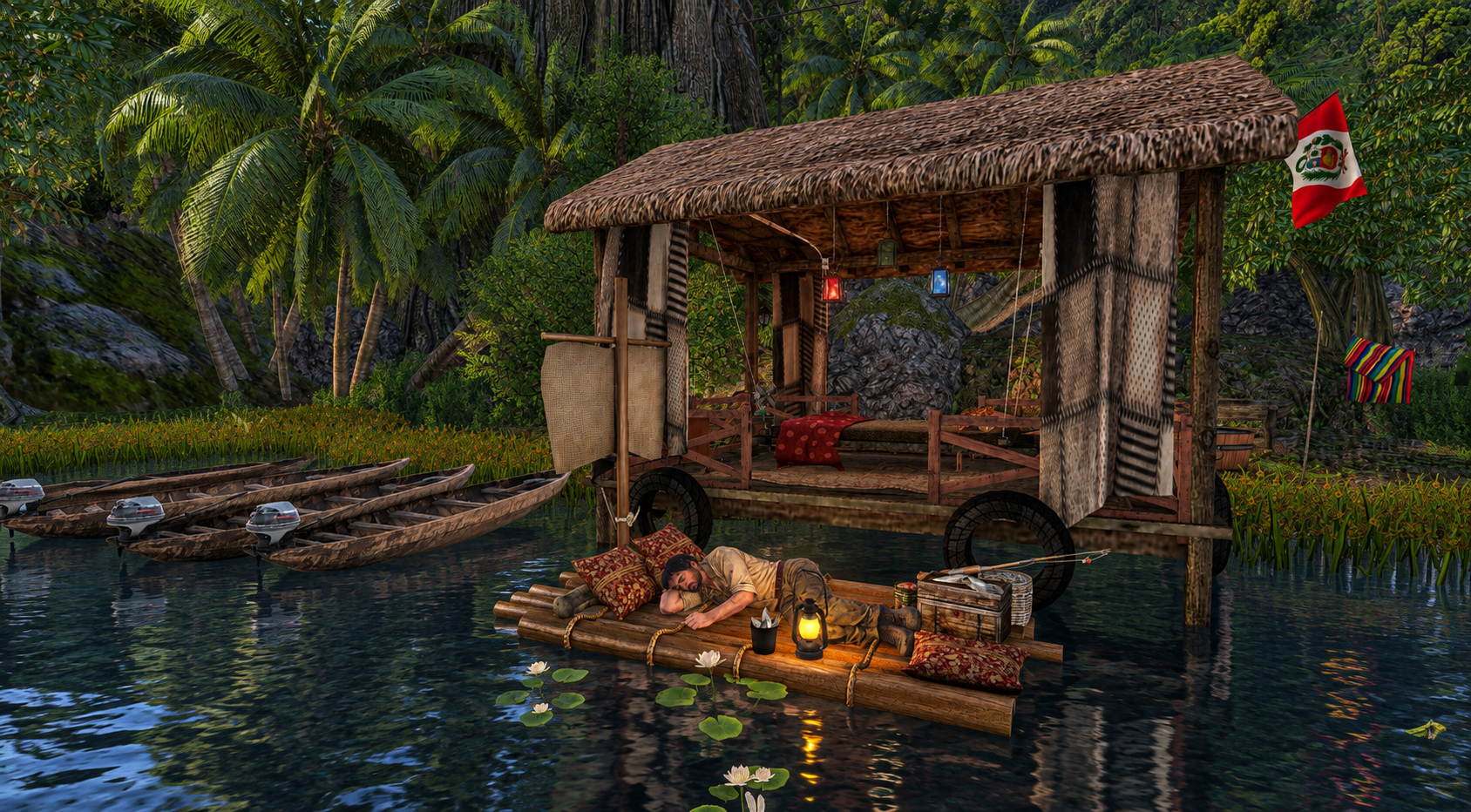
Boat ride to explore jungle waters.
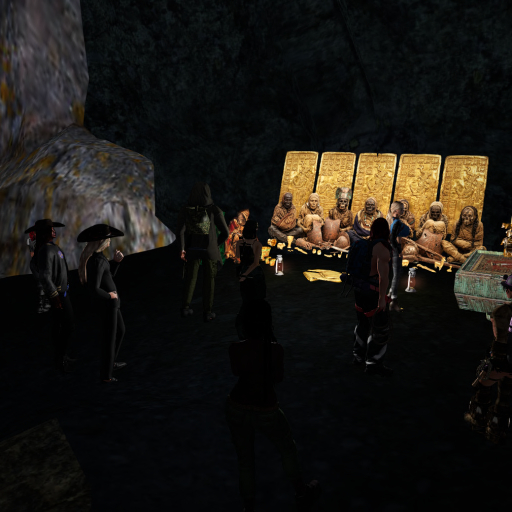
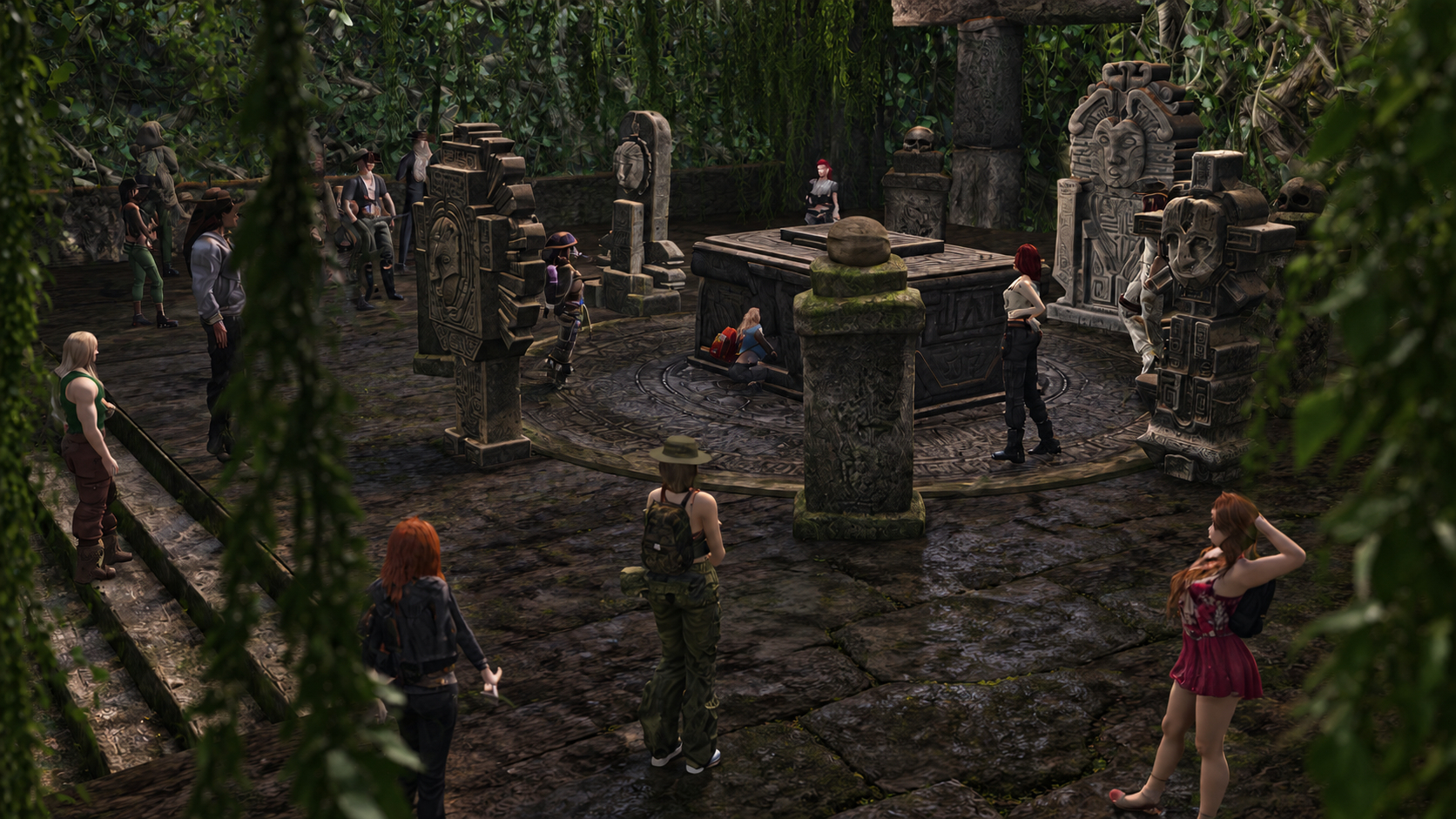
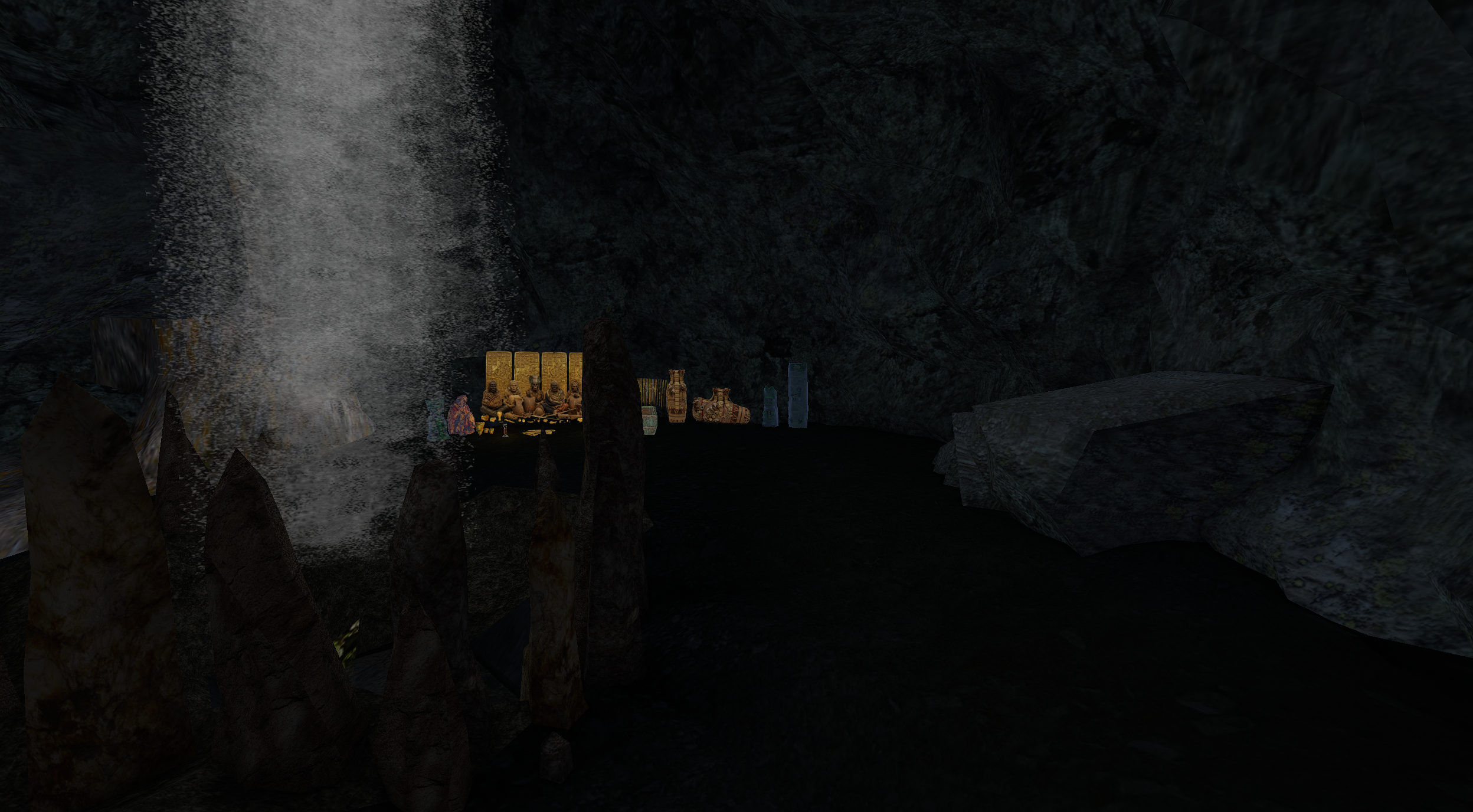
Underground findings in Peru

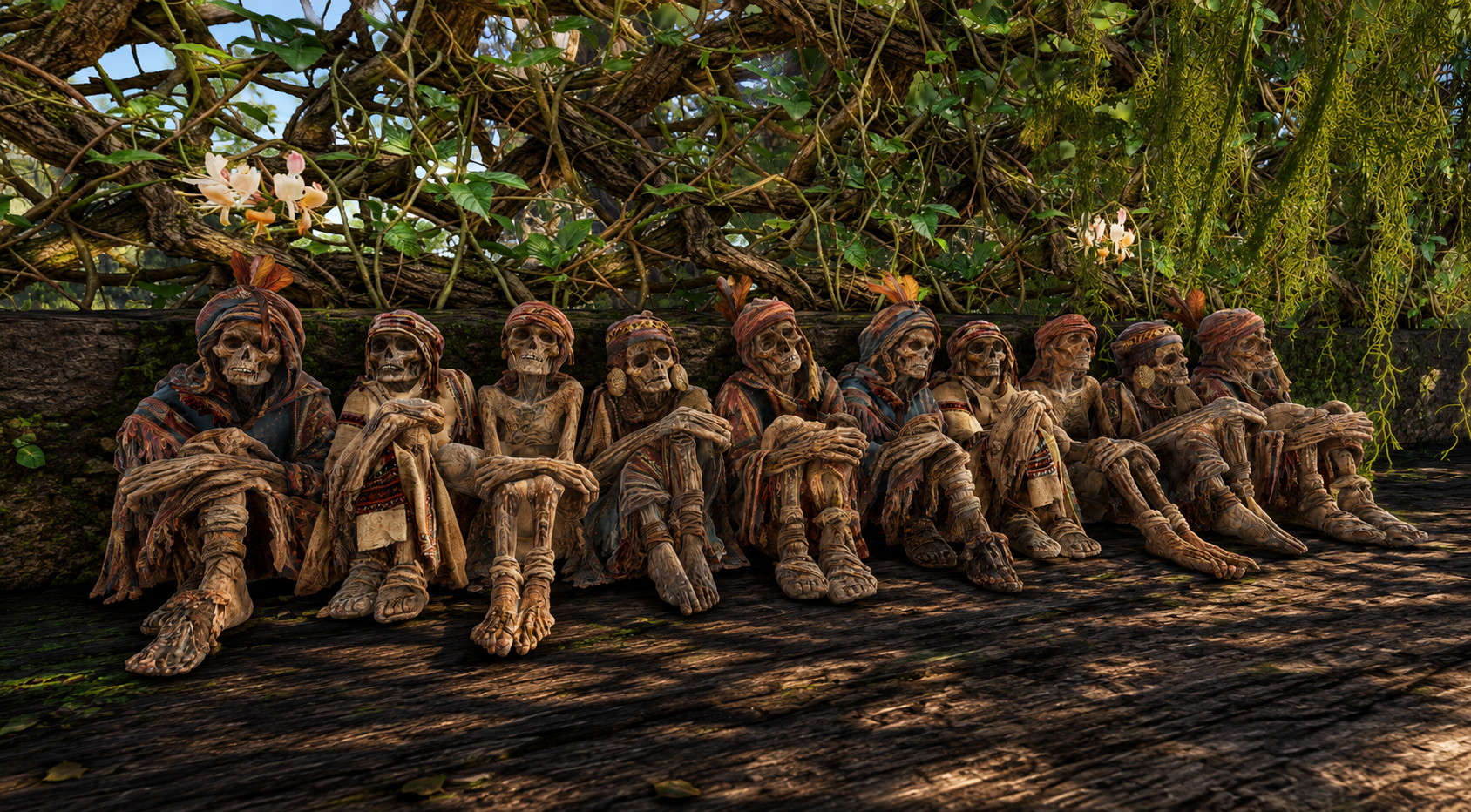
The grave…
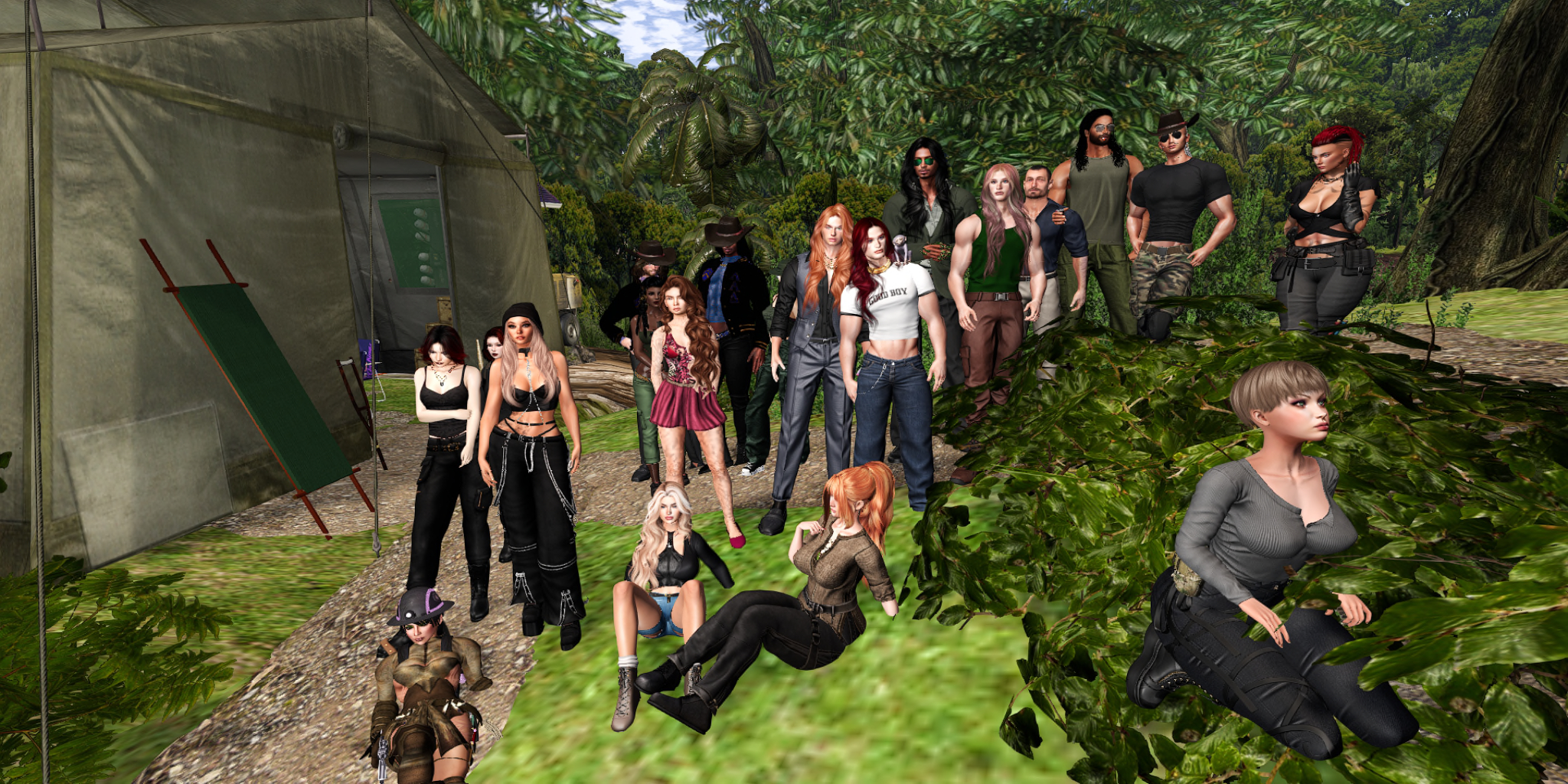
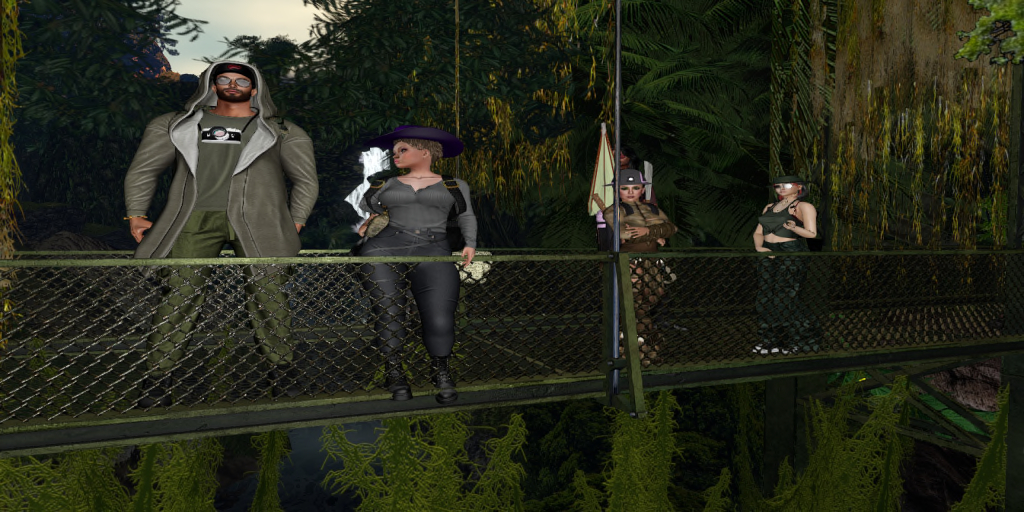
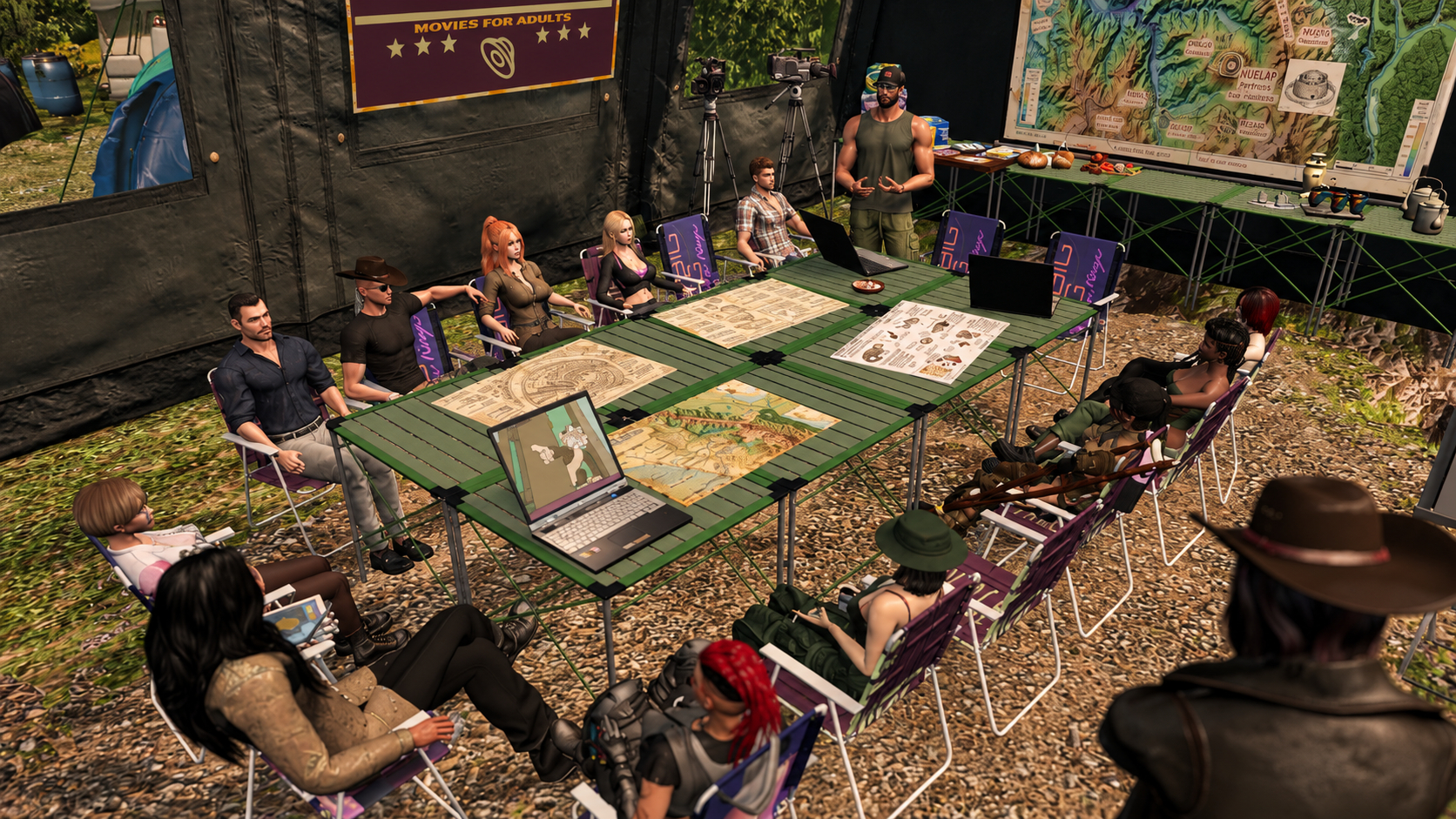
Group photo before the capture
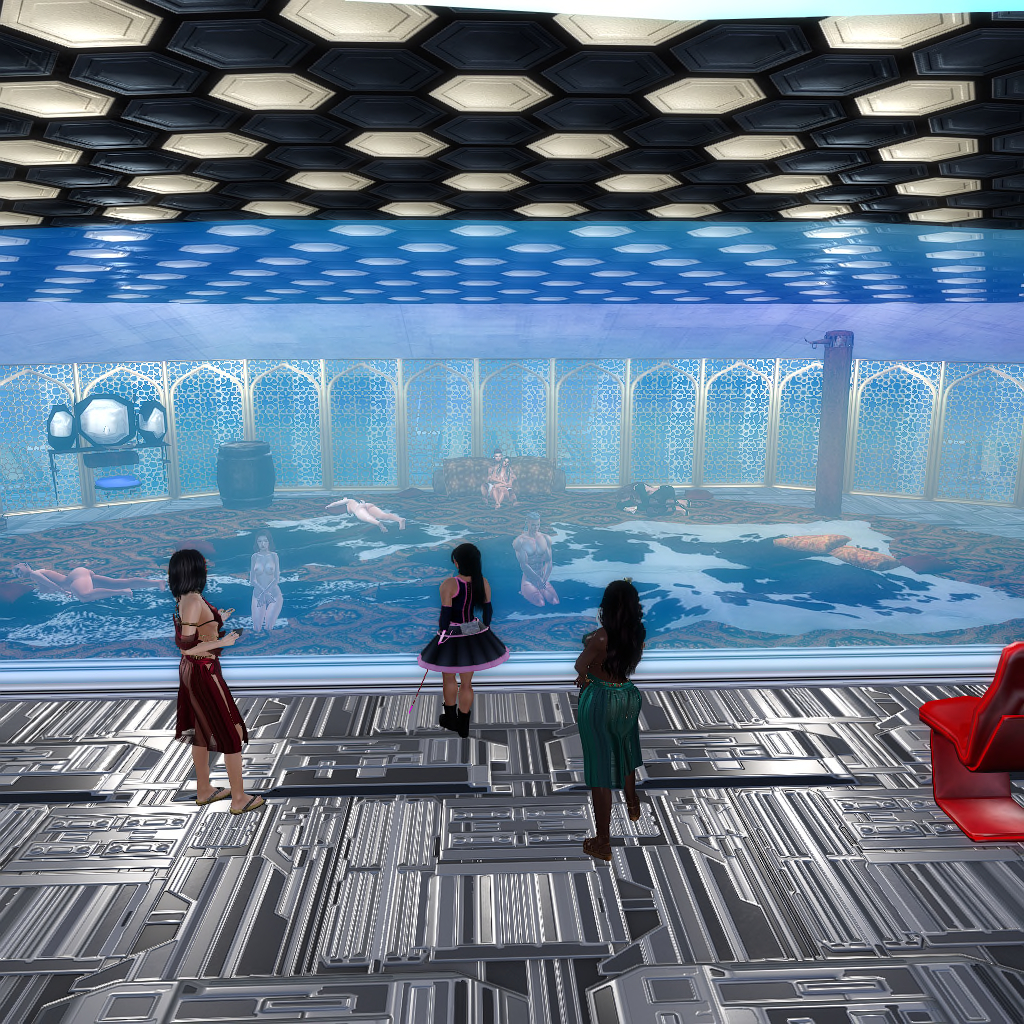
Calm moment in the Arcady (spaceship)
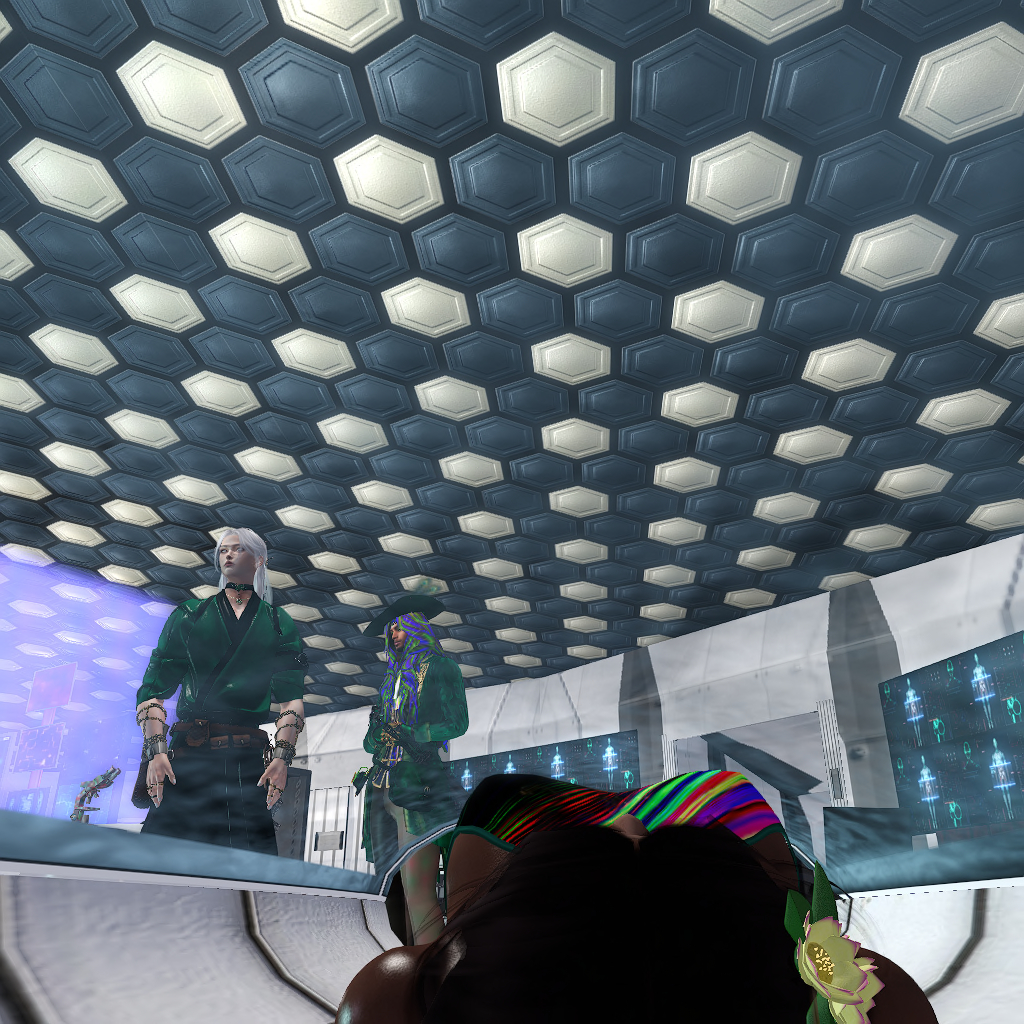
In the med pod on the Arcady
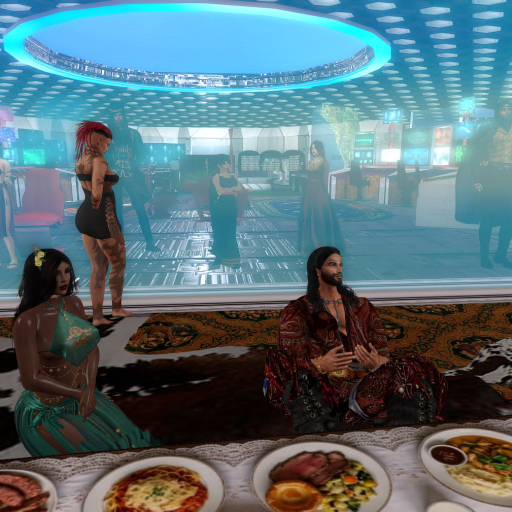
Last earth food meal before landing on Gor
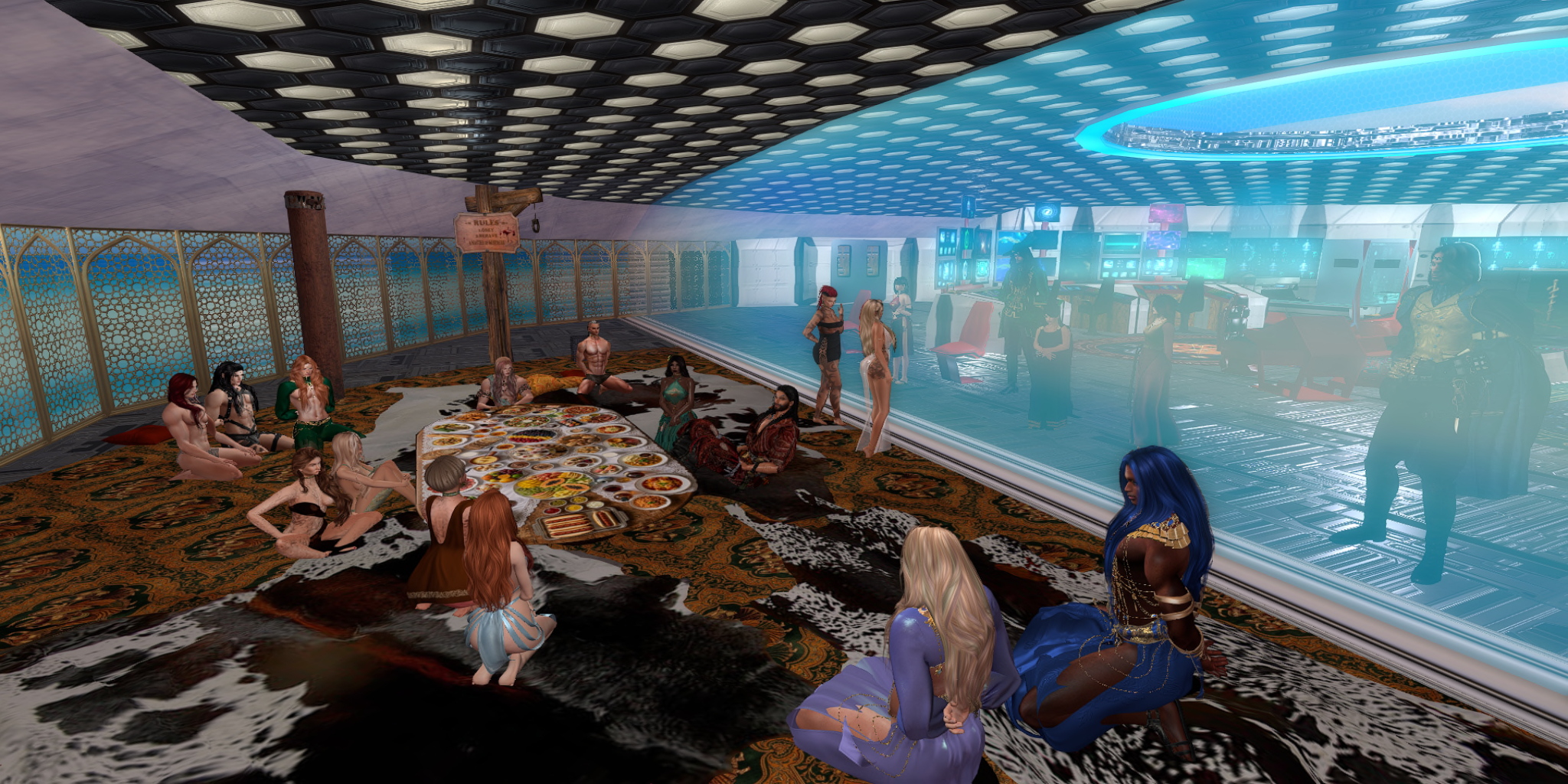
Voyage of Aquisition Nr.27 – Abduction from Peru part 3
Yuroki
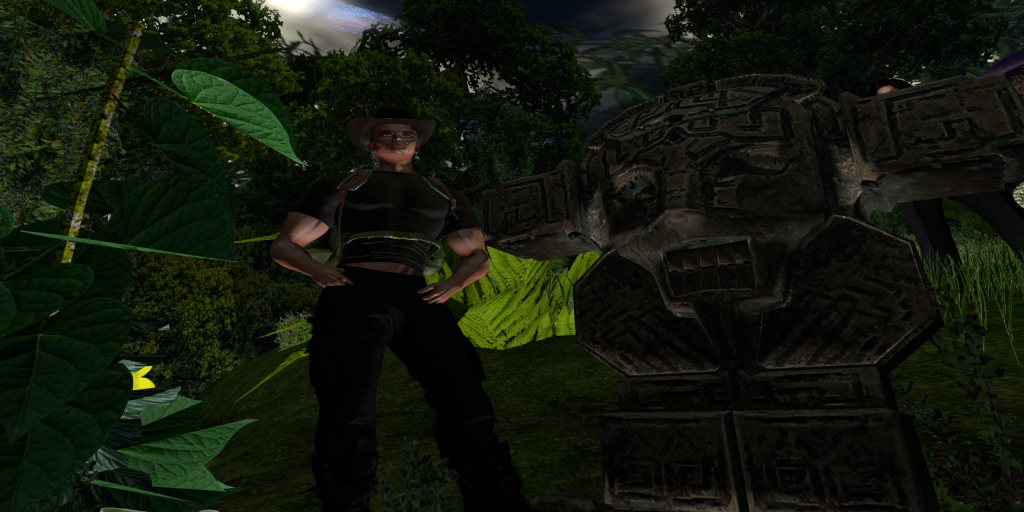
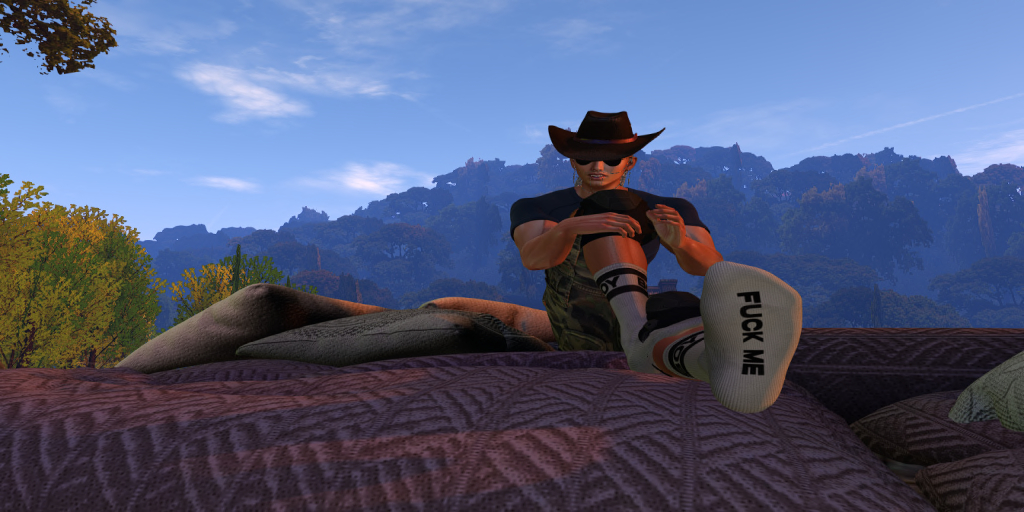
Photo contest “Peru”. – contribution from Jason Bonebreaker (ragebonebreaker).
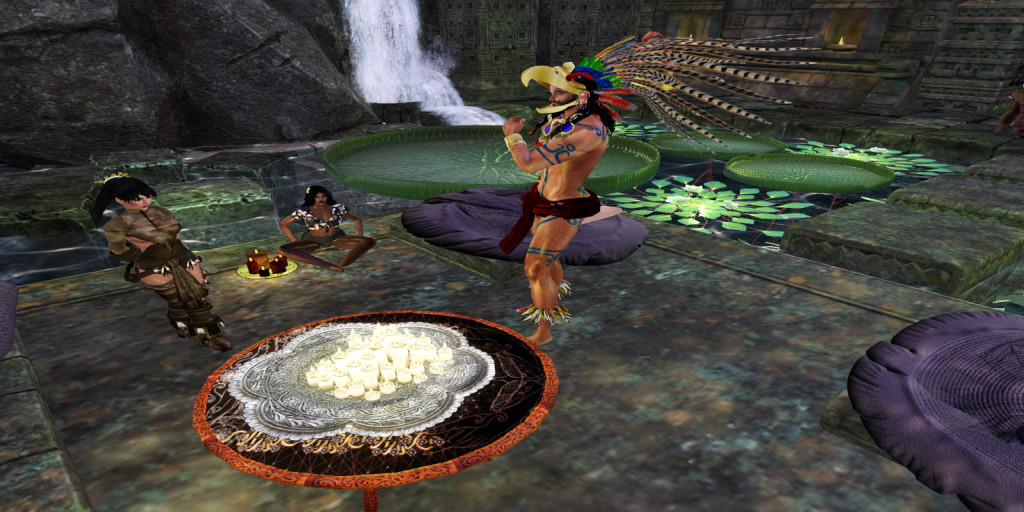
Voyage of Aquisition Nr.27 – Abduction from Peru part 2
Yuroki


BREAKING NEWS! – Mysterious Spacecraft Spotted Over Chachapoyas: NASA Experts Baffled by Unknown Cloaking Technology!
CHACHAPOYAS, PERU – The sighting of an unidentified spacecraft over the capital of Peru’s Amazonas Region continues to cause a sensation. Several independent eyewitnesses have confirmed the appearance of the enormous flying object.
According to informed sources, NASA experts unofficially suspect that the spacecraft possesses a completely unknown form of cloaking technology. The object reportedly appeared on no radar systems and was apparently capable of taking off and landing without being detected.
Even more disturbing: Nobody knows where the mysterious craft came from or where it disappeared to.
The Peruvian Air Force (FAP) remains silent. NASA has also issued no official statement so far.
The crucial question remains: Who possesses technology capable of evading even the most advanced surveillance systems?
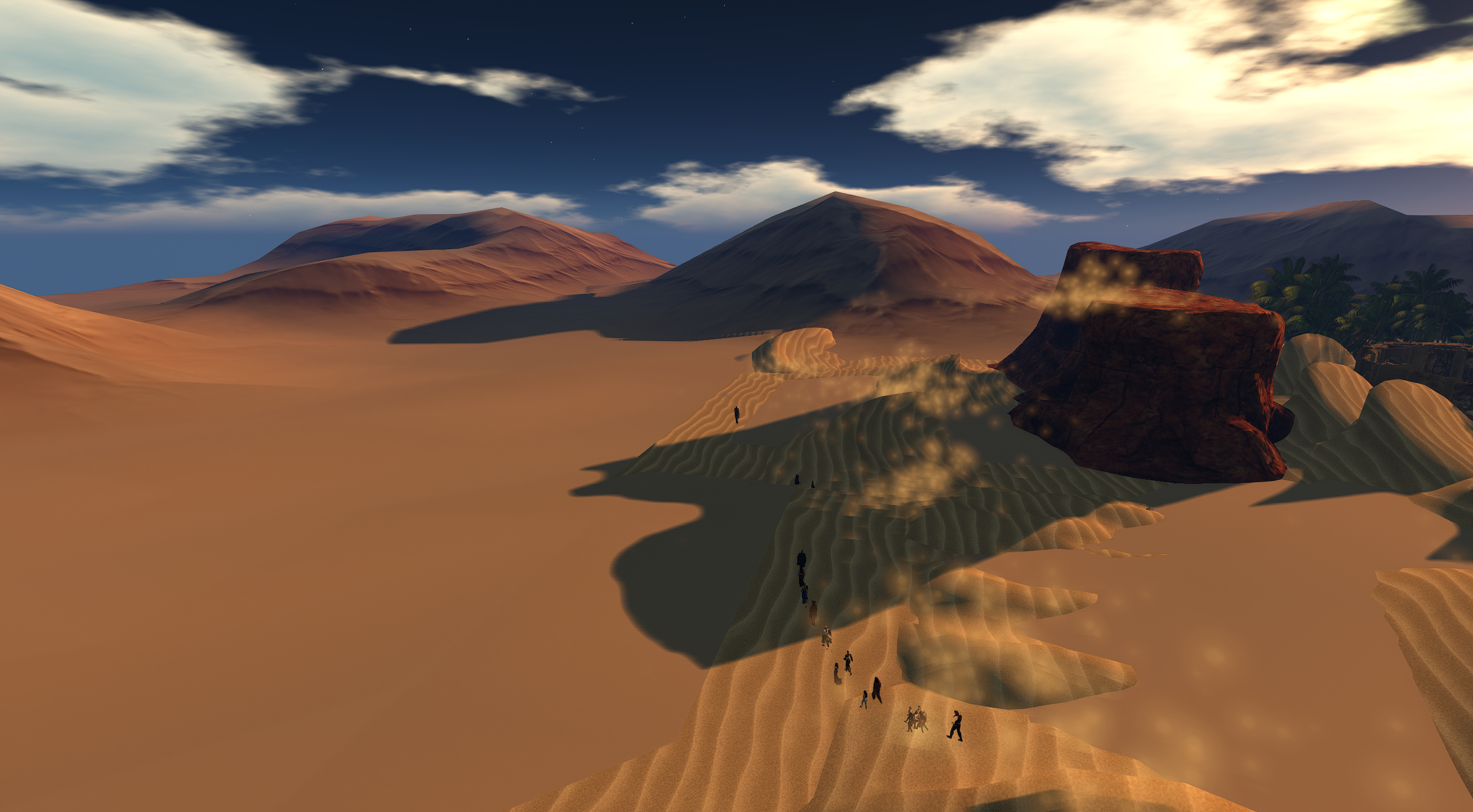
After landing at a secret Tahari location, the abductees march through the desert to the Oasis of Lame Kaiila.







The Battle for the Kasbah
August 19, 2026Yuroki

Okay, the cat’s out of the bag: the Salt Ubar has a challenger.
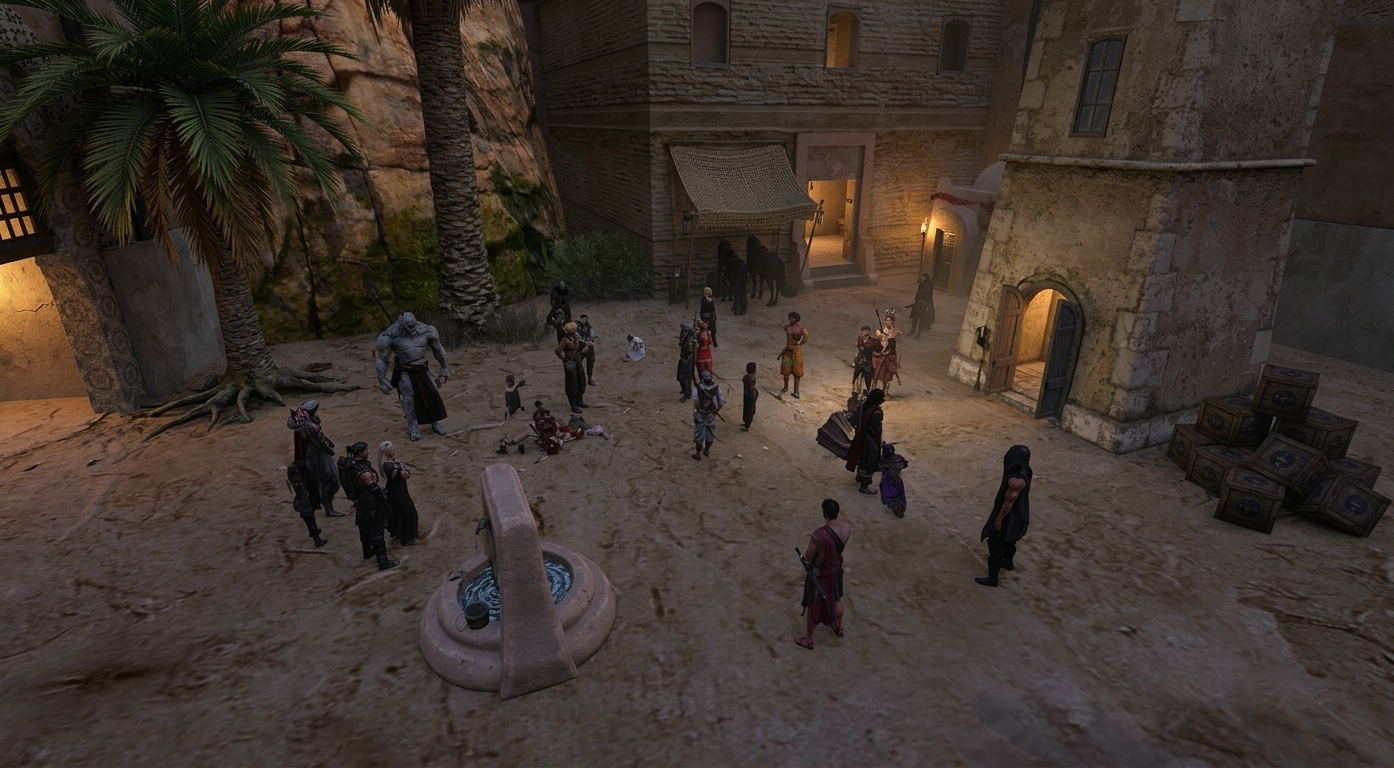
The first major battle between the challenger’s followers and the combined forces of the Salt Ubar and the Southern Trade Alliance ended in a stalemate. The newly built kasbah could not be captured and once again controls the route to Klima.*
All prisoners on both sides were generously released – a sign of mutual respect. Given the very real and immediate threat from the north**, it would also be disastrous for the deep south to tear itself apart.
How does one become Salt Ubar? By becoming the most powerful man in the Tahari. And how does one achieve that? By gaining the support of the vast majority of the oases, regardless of tribal affiliation. So one must demonstrate diplomatic skill – this cannot be achieved through military means alone.
In any case, the STA will only cooperate with someone who can guarantee that the salt trade continues to thrive.
* Thanks to everyone who took part – we had two dozen fighters on the sim, which is an exceptional turnout for BTB Gor.
** Read the last two issues of the VOICE OF GOR regarding the threat from the north.
Who built this and why?
July 24, 2026Yuroki

A persistent rumor speaks of a mysterious former mercenary commander preparing to challenge the current Salt Ubar. Renowned as a brilliant warrior and leader, his identity and whereabouts remain unknown. To succeed, he would need the support of most Tahari oases and ultimately defeat the reigning Salt Ubar in battle. Whether he is real or merely a desert legend remains uncertain, but the whispers continue to spread.
We have a suspicion.
Nerves are on edge in the Oasis of Lame Kaiila. Two pieces of news have alarmed the residents: a Kur has been sighted again in the ancient labyrinth near the ruins of the abandoned Oasis of Mandara. And then caravan leaders reported being stopped and questioned by a group of heavily armed and hooded desert warriors near the ruins, which is highly unusual. They also noticed construction going on there – it looked like a kasbah.
This needs to be investigated. We are calling on all members of the Southern Trade Alliance to provide us with any available men. We will march there and, if necessary, fight our way to the Exchange Point and the salt mines of the Oasis of Klima.
We need people brave enough to venture into the labyrinth.
Messengers were sent to the Oasis of Sand Sleen, Oasis of Two Scimitars, Oasis of Four Palms and the Oasis of AL-Tariq, although the latter two do not belong to the STA.
Turia
Yuroki

Turia – “The Ar of the South.” A great walled city near the Plains of Turia, famed for its wealth, silks, and the powerful Caste of Merchants. Known for its opulent markets and intricate politics…
In the Labyrinth
July 12, 2026Yuroki

In the vast underground labyrinth near the abandoned Oasis of Mandara, halfway between the Oasis of Lame Kaiila and the exchange point of the Oasis of Klima. We don’t know who built the ancient labyrinth and for what purpose. You are strongly warned not to explore it on your own and without a local guide.

Expedition to the Northern Forests – Trade with panthers (part 2)
Yuroki

What Panthers Trade
Though many city merchants regard the Panther Girls merely as outlaws, experienced traders know that they possess a surprising variety of valuable goods. Any merchant willing to enter the northern forests under a flag of truce may find profitable exchanges.
The greatest share of Panther trade consists of products taken from the hunt. Fine pelts and furs are always in demand, together with bones, claws, teeth, and other animal by-products valued by craftsmen, leatherworkers, and artisans throughout Gor.
The forests also provide a wealth of useful plants. Panthers gather medicinal herbs, edible forest plants, and rare culinary herbs that are difficult to obtain elsewhere. Skilled healers and cooks often pay well for such supplies.

Many trade goods are acquired through raids or recovered from abandoned camps and caravans. Cloth, jewelry, tools, and various small luxury items frequently appear among Panther merchandise, often changing hands several times before reaching the cities.
Weapons are another common commodity. Panthers craft excellent bows, arrows, quivers, and hunting knives. Captured weapons taken from travelers, mercenary patrols, or defeated enemies may likewise be offered for trade if they are of sufficient quality.
A wise merchant does not overlook another valuable commodity: information. Panthers know the forests better than any mapmaker. They can reveal hidden trails, safe crossings, caravan routes, dangerous territories, the movements of armed bands, and the activities of outlaws. Such knowledge is often worth more than silver.

Finally, captives may also become objects of negotiation. Prisoners are sometimes ransomed, exchanged, or traded according to local custom and circumstance. On occasion, slaves or captured free persons may likewise form part of larger agreements between Panther bands and those willing to bargain with them.
Those who deal fairly, keep their word, and respect the customs of the forests may find the Panther Girls to be difficult, cautious, yet reliable trading partners. Those who attempt deceit seldom receive a second opportunity.

We had received information from scouts about the following groups of Panthers, but we didn’t know exactly where we would find them.: Sa’ng Gretuk Panthers, Zima Ak’am, Valkyrie Torva, Dani’s Band, Fitheach and Talender band, Shiva Sa’ng Fori and the Sa’Pansheen.

The trade was largely peaceful, although we were initially shot at during our first encounter with Panthers; luckily there were no injuries. Most of the groups that live in the forests offered us rare herbs that are not found in Central Gor and certainly not in the Tahari.

Navigating the small rivers of the northern forests with small but heavily laden boats proves difficult; rapids and fallen trees make passage challenging, and the outposts where the Panthers trade are sometimes so well hidden that only those familiar with the area can find them.

Most groups agreed to the deal not to pay for the trade goods we offered, except in kind, and to give the promise that STA merchants, if they displayed the STA flag, would receive preferential treatment and not be attacked.

But you can’t be sure. The northern forests are home to outlaws and outcasts…
Expedition to the Northern Forests – Trade with panthers (part 1)
Yuroki

After the supplies were loaded on board in the port of Gteletus, the STA merchants and friendsc set sail towards the Thassa, then along the coast to the northern forests. The “Lysander”, which was built to reach the Pani Islands, is the largest ship on Gor.

Even after we had passed the city of Lydius on the coast, we had the feeling of being watched from the shore.

The passage to the north is considered difficult to navigate. Often there is sudden heaving so that you can hardly see the coast and run the risk of being smashed on the sheer cliffs.

Some of the travelers watched the coastline drift by, relaxed. Others were occupied with the merchandise, some of which had been stowed on deck.

When some rock formations appeared, familiar to the sailors and the navigator, and announcing that the port of Kassau would soon be reached, most of the passengers rushed to the railing or the lookout and curiously observed the coastline.

Finally, the city came into view, and the huge ship was boarded outside the actual harbor. From there, boats took them to the docks.
Kassau sits on the northern edge of Gor’s great forests, northwest of the Thentis Mountains. Built mostly of wood, its tallest structure is the former temple, now the Merchant’s Hall, rising above the clustered homes below. Kassau’s warriors are called Axes; female slaves are bonds; male slaves are thralls. A sharpened-log wall surrounds the town, with nearby villages using Kassau as their market center.

Most of the goods are stored on the docks; rain is not expected at this time of year.

Many residents ran to the dock because they were curious about the huge ship and the travelers. Kassau is an associate member of the STA. Some of the merchants from Kassau had decided to join the expedition into the northern forests.

Aerial view of Kassau – you can clearly see Lysander in the back left.